Are All Lumps on Dogs Cancerous?
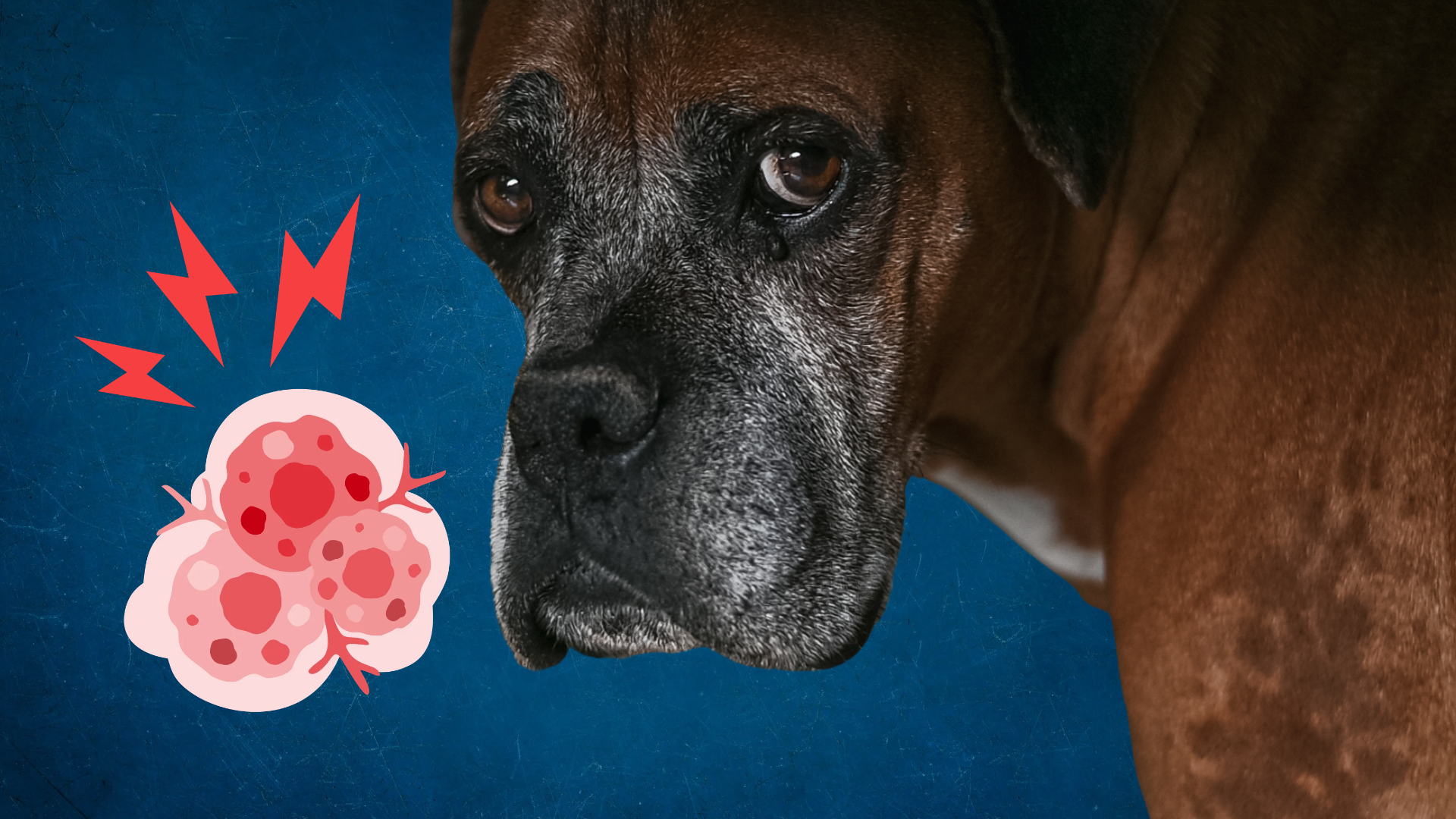
The good news is that many lumps found on dogs are benign, meaning they are not cancerous. Some growths are fatty tumors called lipomas, while others may be cysts, inflammation, or harmless skin growths. However, cancerous tumors can sometimes look or feel very similar to benign ones.
Cancer in dogs becomes more prevalent with age, although younger dogs can also develop the disease. Certain breeds have higher risks of developing particular cancers. Because appearance alone cannot determine whether a lump is dangerous, having your veterinarian examine it is the safest approach.
What Are the Warning Signs of Cancer in Dogs?
While a lump is often the first noticeable concern, cancer in dogs can cause several other physical or behavioral changes. Some symptoms develop gradually, making them easy to overlook.
Watch for these potential warning signs:
- Weight loss: Losing weight without changes to diet or exercise.
- Sores that won’t heal: Persistent wounds or unusual skin changes.
- Unusual bleeding: Bleeding from the nose, mouth, or other areas without an obvious cause.
- Changes in daily life: Eating less, sleeping more, or showing less interest in favorite activities.
- Difficulty breathing: Unexplained coughing, labored breathing, or reduced exercise tolerance.
These symptoms can also indicate other medical conditions. However, persistent changes should never be ignored. Difficulty breathing or significant bleeding requires immediate veterinary attention.
What Should I Do If I Find a Lump on My Dog?
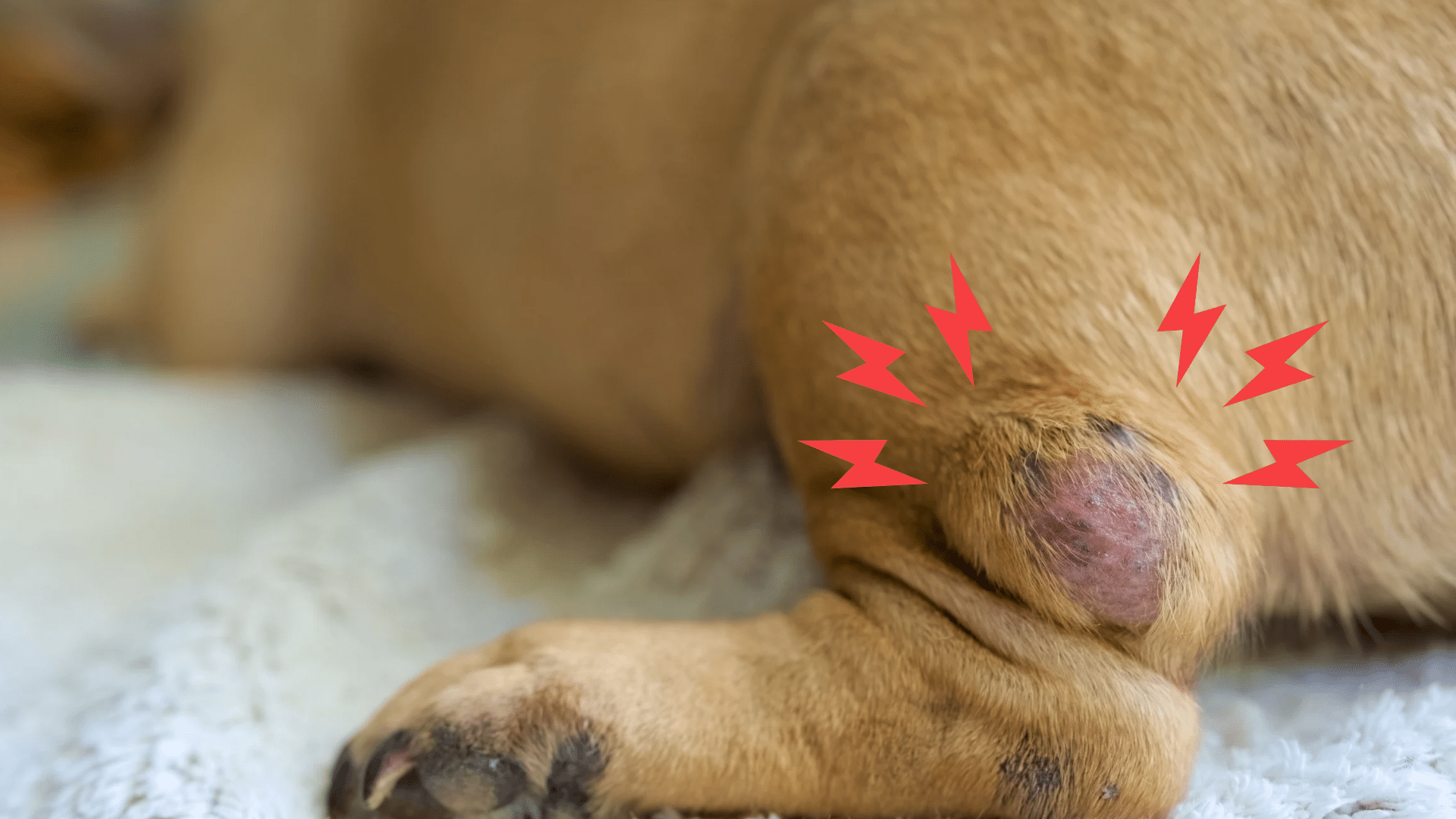
First, resist the urge to squeeze, puncture, or attempt to remove the growth yourself. Instead, take note of its location, approximate size, and whether your dog seems uncomfortable when the area is touched. You can also photograph the lump with a ruler nearby to document any changes.
Next, arrange a veterinary visit to Cave Spring Animal Hospital. Your veterinarian will evaluate the growth, review your dog’s medical history, and determine what testing is needed (if any). Depending on the findings, this might involve collecting a small sample of cells with a needle, performing a biopsy, or recommending other diagnostic tests.
If cancer in dogs is suspected or diagnosed, the next steps depend on the type of tumor, its location, and your dog’s overall health. Treatment options may include surgery, medication, or referral for specialized oncology care.
How Can I Check My Dog for Lumps at Home?
Regularly examining your dog’s body is a simple way to become familiar with their normal skin and physical condition. This is particularly valuable for senior dogs, who may develop new growths as they age.
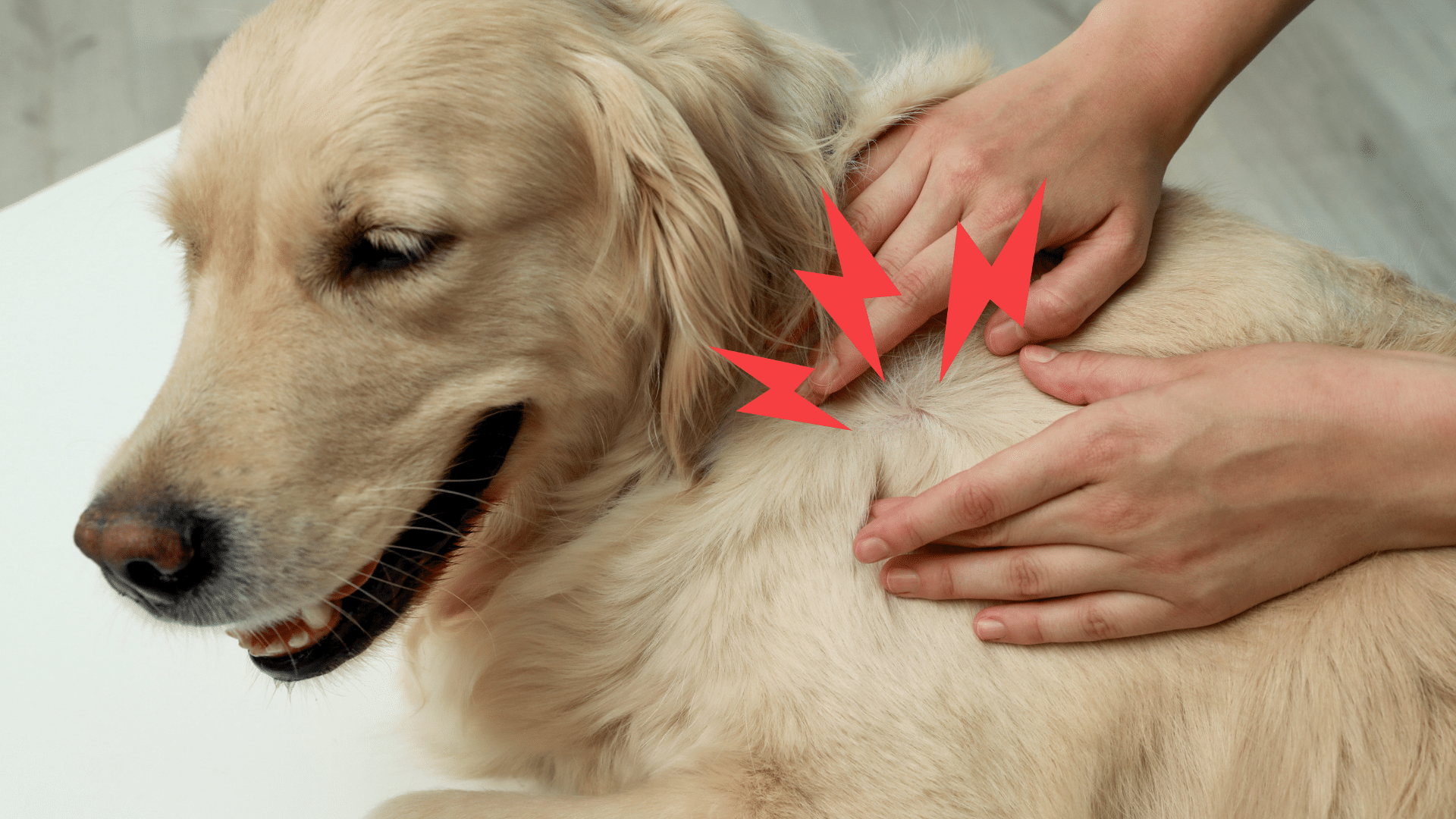
During grooming or cuddle time, gently run your hands over your dog’s neck, chest, belly, back, and legs. Don’t forget areas that are easy to miss, such as between the toes, under the tail, and around the ears. You can also look inside your dog’s mouth for unusual growths or discoloration if they comfortably allow it.
Keep track of any new findings, even if the lump seems small or isn’t bothering your pet. Routine wellness examinations provide another opportunity for your veterinarian to identify changes that may need further investigation.
Can Dogs Have Cancer Without a Visible Lump?
Yes. Not all forms of cancer in dogs produce noticeable bumps or tumors near the skin.
Some cancers affect internal organs, blood cells, or other tissues, making them difficult to recognize without a veterinary examination. Persistent vomiting, unusual fatigue, abdominal swelling, or unexplained weight changes can sometimes indicate an underlying medical problem.
Pay attention to changes in your dog’s usual behavior, and contact your veterinarian when something doesn’t seem right.
Have Your Dog’s Lump Checked in Cave Spring, GA
Discovering a lump doesn’t automatically mean your dog has cancer. Still, getting a veterinary evaluation is an important step toward understanding what’s happening and deciding what care may be needed. Cave Spring Animal Hospital proudly provides veterinary services for dogs throughout Cedartown, Centre, Cave Spring, and surrounding communities.
If you’ve noticed a new lump or another concerning symptom, schedule an appointment with Cave Spring Animal Hospital.